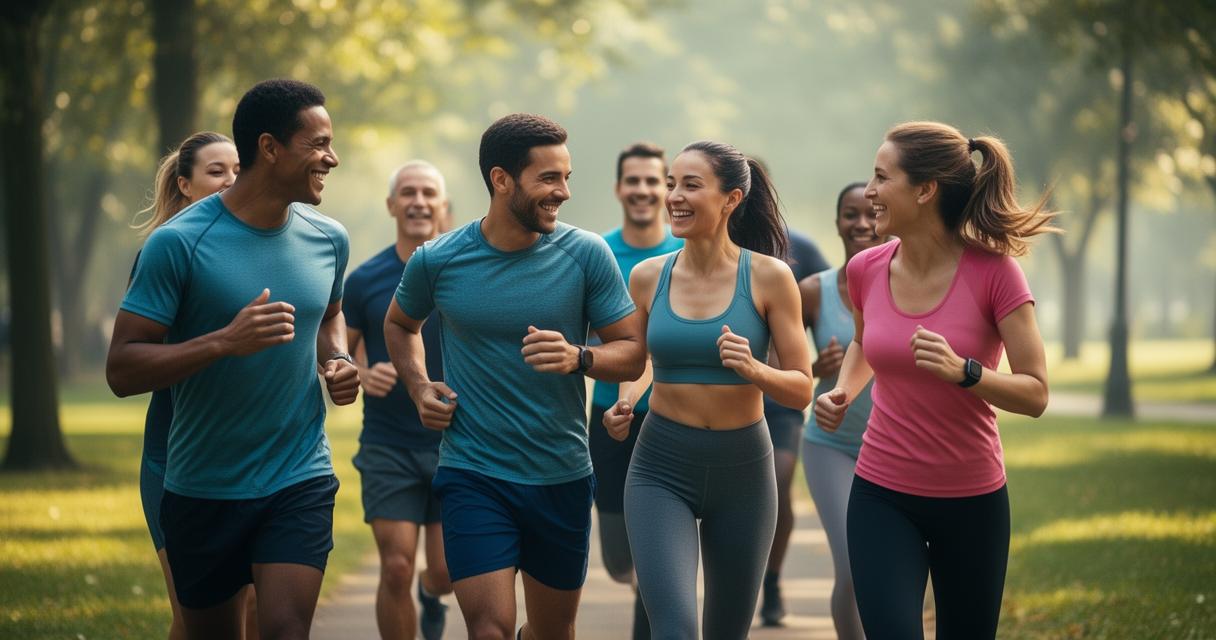
When it comes to achieving fitness ambitions, training alongside your mates can transform what might otherwise feel like a solitary grind into an energising and rewarding experience. The collective energy of group exercise not only pushes you to reach new personal bests but also creates a vibrant social environment where camaraderie and shared determination flourish. Whether you are lacing up your trainers for a local parkrun or joining a circuit class at your neighbourhood gym, the presence of others can fundamentally change your approach to physical activity. This dynamic is particularly valuable in a world where many people struggle to maintain consistent exercise routines and where feelings of isolation can undermine both motivation and mental wellbeing.
Building a supportive community through collective fitness
One of the most profound advantages of group exercise lies in its capacity to foster a genuine sense of belonging among participants. When you train with others, you become part of a community that shares similar aspirations and challenges. This collective identity can be especially powerful for those who have previously felt disconnected or unmotivated when exercising alone. The social interaction inherent in these settings provides accountability and support, which are crucial elements in sustaining a long-term commitment to physical fitness. Research has shown that social relationships are vital for good mental and physical health, and the bonds formed during group workouts can extend well beyond the training session itself.
Fostering a Sense of Belonging Amongst Your Training Partners
Engaging in community workouts creates an atmosphere where individuals feel valued and understood. The simple act of moving together releases endorphins, which not only promote happiness but also strengthen the connection between participants. This shared experience of pushing through challenging routines or celebrating small victories together reinforces a sense of unity that can be difficult to replicate in solo training. When you know that your squad is expecting you to show up, the motivation to attend becomes far more compelling than relying solely on your own willpower. This sense of belonging is not merely an emotional benefit but also a practical one, as it encourages consistent practice and helps individuals overcome the inertia that often accompanies solitary exercise routines.
Strengthening interpersonal bonds through shared physical challenges
Team exercises build cohesion and strengthen interpersonal connections in ways that extend beyond the physical realm. When you face the discomfort of a demanding workout alongside others, you develop a mutual understanding and respect that can deepen friendships and create lasting bonds. The encouragement you receive from your training partners can enhance your exercise technique and introduce variety into your routine, keeping the experience fresh and engaging. Studies have indicated that social support improves not only the enjoyment of physical activity but also overall performance. The presence of others can delay feelings of fatigue, as research suggests that the mindset fostered by a social environment plays a significant role in how we perceive exertion. This phenomenon means that exercising with a friend or group can help you push through barriers that might otherwise seem insurmountable when training alone.
Enhancing Motivation and Consistency with Team Training Sessions
Motivation is often the deciding factor between a fleeting interest in fitness and a sustained commitment to health. Group workouts provide a structure and social framework that can dramatically boost your drive to stay active. The shared experiences and goals inherent in these sessions create a lively atmosphere that not only makes exercise more enjoyable but also enhances mental wellbeing. When you know that others are counting on you to participate, the sense of accountability becomes a powerful motivator. This dynamic is particularly important in combating the isolation risks associated with solitary training, which can lead to a decrease in motivation and feelings of disconnection.
Leveraging shared experiences to maintain regular attendance
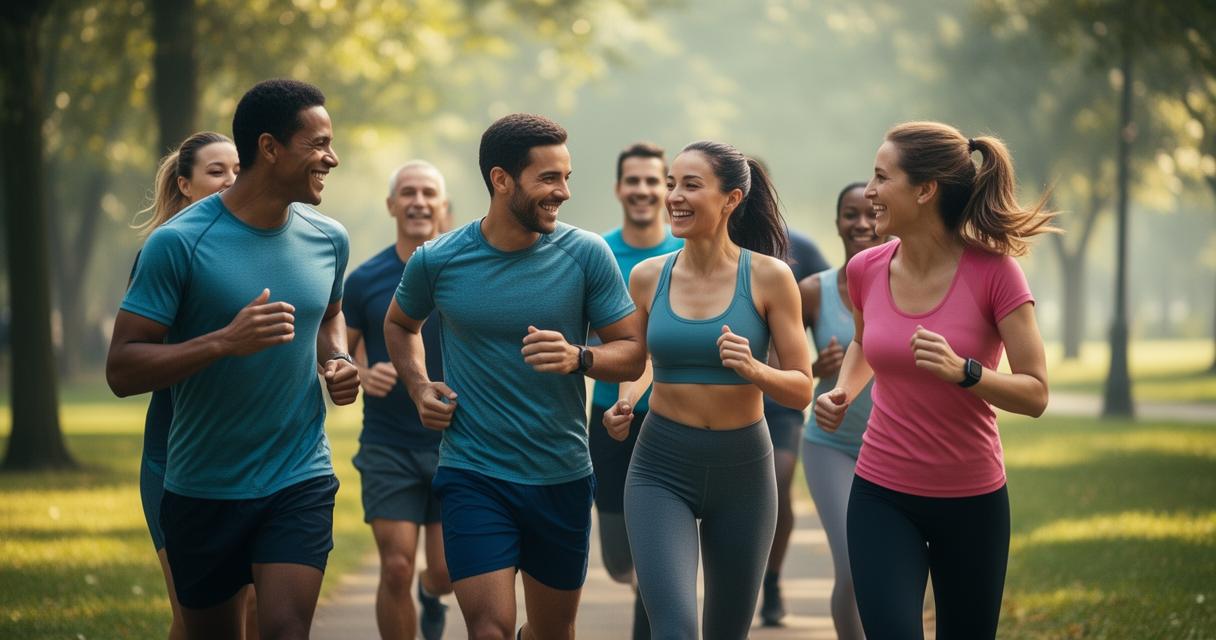
The social aspect of group training encourages a consistent practice by transforming exercise from a chore into a social event. When you train with your squad, you are more likely to maintain regular attendance because the experience is associated with positive social interactions and the anticipation of seeing familiar faces. Observational studies following runners at events such as parkrun have demonstrated that social support plays a crucial role in both enjoyment and performance. The collective energy of a group can make even the most challenging workout feel manageable, as the shared effort and mutual encouragement create a supportive environment. This consistency is essential for achieving long-term fitness goals, as regular physical activity is a cornerstone of overall health and wellbeing.
Creating a lively atmosphere that boosts mental well-being
The atmosphere generated by group exercise is inherently uplifting and can have a profound impact on mental health. The combination of physical exertion, social interaction, and the release of endorphins creates a powerful antidote to stress and anxiety. Research has highlighted that chronic stress from isolation can lead to serious health problems, with some studies suggesting that social isolation can be as harmful as smoking 15 cigarettes daily. By contrast, exercising with others offers a natural remedy to these risks, as the social connection and shared purpose can significantly enhance happiness and reduce feelings of loneliness. The lively environment of a group class or team training session can transform your outlook, making exercise a source of joy rather than a burden.
Catering to all abilities: inclusive group exercise programmes
One of the key strengths of group exercise is its ability to accommodate participants of varying fitness levels, ensuring that everyone can benefit from the collective experience. Well-designed classes and training sessions set clear objectives that allow individuals to work at their own pace while still feeling part of the team. This inclusivity is essential for promoting overall health and physical fitness across your squad, as it ensures that no one is left behind or discouraged by the challenge. The flexibility inherent in group programmes means that whether you are a seasoned athlete or just beginning your fitness journey, you can find a place within the community and contribute to the shared energy.
Setting Clear Objectives for Participants of Varying Fitness Levels
Effective group exercise programmes are structured to provide clear objectives that can be adapted to suit different abilities. This approach ensures that each participant feels challenged without being overwhelmed, fostering a sense of achievement and progress. Instructors and team leaders play a crucial role in creating an environment where everyone is encouraged to push their limits while respecting their individual starting points. This balance is vital for maintaining motivation and ensuring that all members of the squad feel valued and supported. The variety introduced by working with others also means that you are exposed to different techniques and approaches, which can enhance your overall exercise performance and keep your routine engaging.
Promoting overall health and physical fitness across your squad
The benefits of group exercise extend beyond motivation and social connection to encompass significant improvements in physical health and mental wellbeing. Engaging in collective activities promotes fitness across the entire squad, as the shared commitment to health encourages consistent participation and effort. The social support inherent in these settings can lead to better adherence to exercise routines, which in turn contributes to improved cardiovascular health, strength, and endurance. Moreover, the mental health benefits of exercising with others cannot be overstated. The reduction in isolation risks, the boost in happiness from shared endorphins, and the sense of community all contribute to a holistic approach to wellbeing. By fostering an inclusive and supportive environment, group exercise programmes ensure that the advantages of physical activity are accessible to all, regardless of fitness level or experience.