Judo, often celebrated for its dynamic throws and technical prowess, offers far more than physical skill development. Rooted in the teachings of Jigoro Kano, the sport represents a holistic approach to personal growth, where discipline and integrity are not merely ideals but foundational principles woven into every aspect of training. In the dojo, respect becomes second nature, cultivated through a moral code that shapes practitioners into individuals of strong character. This article explores how the eight core values of judo work together to foster humility and respect, influencing behaviour both on and off the mat.
The Foundation of Jigoro Kano's Moral Code: Understanding the Eight Core Values of Judo
When Jigoro Kano established judo in the late nineteenth century, his vision extended beyond creating an effective system for self-defence. He sought to develop a form of education that balanced physical prowess with ethical conduct, resulting in a martial art grounded in a comprehensive moral code. This code, comprising eight distinct values, serves as a guiding light for judoka of all ages and levels of experience. Each principle is designed to shape the character of practitioners, encouraging them to pursue excellence not only in their technique but also in their interactions with others and their approach to life.
The Philosophy Behind Politeness, Courage, and Sincerity in the Dojo Environment
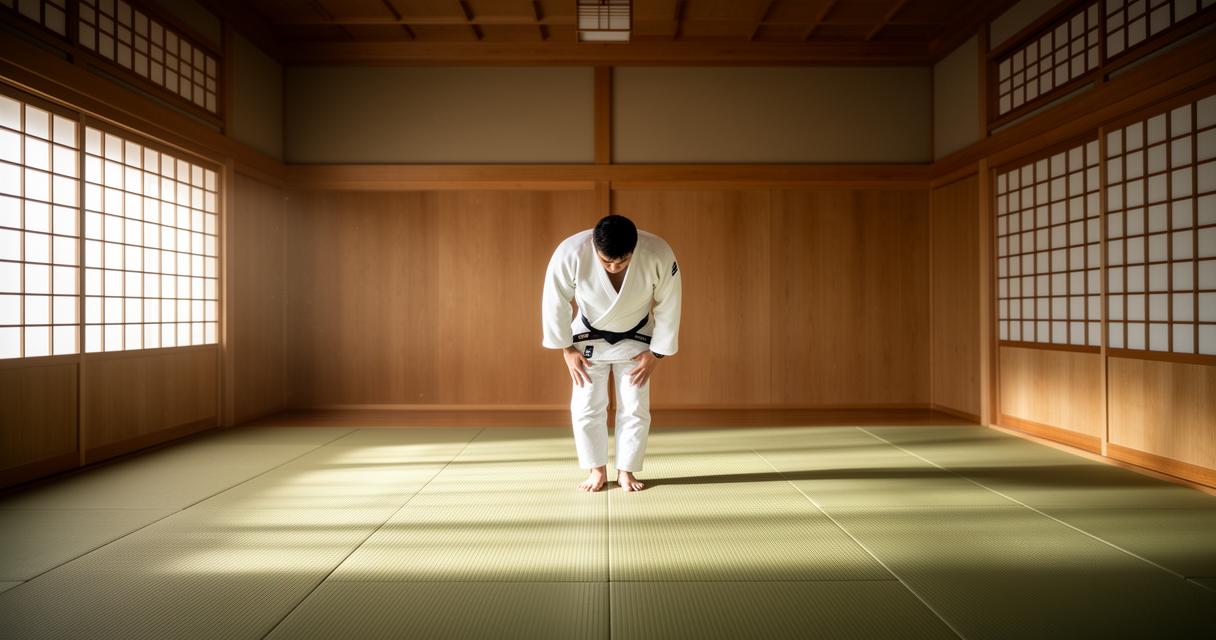
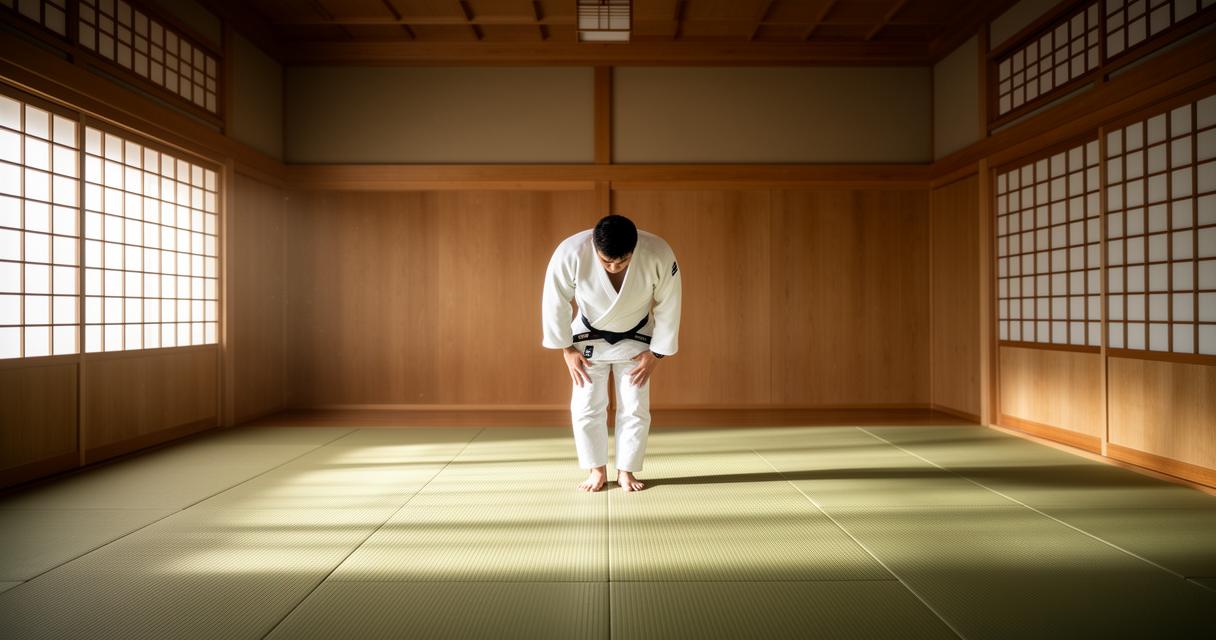
Politeness, or courtesy, stands as one of the foundational pillars of Kano's philosophy. In the dojo, this value manifests through the simple yet profound act of bowing, a gesture of mutual respect that acknowledges the shared journey of learning and growth. Courtesy extends beyond formal gestures, encompassing the way practitioners address their instructors, maintain cleanliness in the training environment, and demonstrate punctuality. These practices cultivate a positive atmosphere where every individual feels valued and safe, enabling effective learning and the development of lasting bonds.
Courage, another essential value, represents the mental strength required to confront challenges head-on. In judo, this might involve facing a stronger opponent, attempting a new and unfamiliar technique, or returning to training after an injury. The dojo becomes a space where courage is nurtured through mindfulness, visualisation, and the gradual escalation of challenges. Practitioners learn to view losses not as failures but as opportunities for learning, fostering resilience and a growth mindset that extends far beyond martial arts practice.
Sincerity, closely linked with honesty, requires judoka to remain truthful about their abilities, limitations, and intentions. This transparency builds trust within the training community and promotes self-awareness. By acknowledging mistakes and accepting feedback without defensiveness, practitioners develop resilience and a deeper understanding of their own progress. Sincerity in judo is not about boasting or self-promotion; rather, it is about genuine engagement with the principles of the art and a commitment to continuous improvement.
How Honour, Modesty, and Respect Shape the Judoka's Character from Childhood Through Adulthood
Honour in judo emphasises integrity, responsibility, and a deep respect for the traditions and rules of the sport. Judoka are encouraged to engage in fair play, to acknowledge the contributions of their partners and instructors, and to uphold the values of the discipline both during competition and in everyday life. This sense of honour cultivates a strong moral compass, guiding practitioners to act with sincerity and accountability in all their endeavours.
Modesty is another cornerstone of judo's moral code, teaching practitioners to balance confidence with humility. While it is natural to take pride in one's achievements, modesty reminds judoka to remain open to learning from others and to recognise that there is always room for improvement. This value is particularly important in fostering a supportive training environment, where individuals celebrate each other's successes without envy or arrogance. By embracing modesty, practitioners develop a respectful attitude towards their peers and a willingness to contribute to the collective progress of the dojo.
Respect, a value central to the practice of judo, is demonstrated through attentive listening, the maintenance of a clean training space, and the observance of proper etiquette. Respect for instructors, fellow judoka, and the martial art itself creates a harmonious atmosphere where everyone can thrive. This principle extends beyond the dojo, influencing how practitioners interact with family, friends, and colleagues. The lessons learned through respectful practice in judo translate into improved conflict resolution, teamwork, and leadership skills in daily life.
Discipline and Integrity in Practice: Waza, Kata, and the Rules That Cultivate Mutual Aid and Camaraderie
Discipline in judo is reflected in the rigorous training of techniques, known as waza, and the meticulous practice of kata, pre-arranged forms that embody the principles of the art. Mastery of these elements requires consistent effort, attention to detail, and a commitment to adhering to the established rules and traditions of the dojo. Through disciplined practice, judoka learn to control their movements, refine their strategies, and develop the physical conditioning necessary for effective performance. This dedication to discipline extends to the observance of dojo etiquette, where punctuality, cleanliness, and the proper use of titles are not mere formalities but expressions of respect for the training environment and those within it.
The Role of Discipline in Mastering Judo Techniques and Adhering to Dojo Etiquette
The journey to proficiency in judo is marked by countless hours of practice, where discipline serves as the driving force behind progress. Judoka engage in repetitive drills to perfect their throws, groundwork, and defensive manoeuvres, learning to execute techniques with maximum efficiency and minimum effort. This principle, known as Seiryoku Zenyo, encourages practitioners to use their energy wisely, avoiding unnecessary force and instead relying on timing, balance, and leverage. Discipline is also evident in the way judoka approach randori, or free sparring, where they must balance the desire to win with the need to respect their training partners and maintain a safe environment.
Adherence to dojo etiquette is another manifestation of discipline. Bowing upon entering and exiting the training area, maintaining a tidy appearance, and addressing instructors with appropriate titles are all practices that reinforce the values of respect and humility. These rituals, while simple, serve as constant reminders of the moral code that underpins judo. By consistently observing these customs, practitioners internalise the principles of the art, allowing them to become second nature. The discipline cultivated through these practices not only enhances technical skill but also shapes character, fostering qualities such as self-control, responsibility, and a strong work ethic.
Integrity as the Cornerstone of Fair Play: How Rules and Kata Reinforce Honest Practice Among Men, Women, and Children
Integrity lies at the heart of judo, ensuring that practitioners engage with the sport in a manner that is honest, fair, and respectful. The rules governing competition are designed to promote safe and ethical conduct, penalising actions that endanger opponents or undermine the spirit of the art. By adhering to these regulations, judoka demonstrate their commitment to integrity, valuing the process of learning and improvement over the mere pursuit of victory. Kata, with its emphasis on precision and adherence to form, reinforces this commitment to honesty. Practitioners must execute each movement with sincerity and accuracy, resisting the temptation to cut corners or rely on shortcuts. This dedication to integrity in practice translates into a broader ethical framework that guides judoka in all aspects of their lives.
The emphasis on fair play and honest practice is equally important for men, women, and children participating in judo. Regardless of age or gender, all practitioners are held to the same standards of conduct, fostering a sense of equality and mutual respect within the dojo. Children, in particular, benefit from the early introduction to these values, as they learn to navigate challenges with honesty and to treat others with kindness and consideration. The lessons of integrity learned through judo help young practitioners develop a strong moral foundation, equipping them with the skills needed to make ethical decisions throughout their lives.
Personal Development Through Judo: Fostering Friendship, Humility, and Human Qualities Beyond the Mat
Judo is not merely a physical discipline; it is a transformative practice that nurtures personal growth and the development of essential human qualities. Through cooperative drills, randori, and the shared challenges of training, judoka forge lasting friendships built on mutual respect and trust. The principles of Jita Kyoei, or mutual welfare and benefit, encourage practitioners to support one another, recognising that individual progress is intertwined with the success of the community. This sense of camaraderie extends beyond the dojo, influencing how judoka engage with the wider world and contribute positively to society.
Building Lifelong Friendships and Mutual Respect Through Shared Values in the Sport
The bonds formed in the dojo are often among the most enduring and meaningful relationships in a judoka's life. Training together requires vulnerability and trust, as practitioners must rely on their partners to help them learn and grow. Through cooperative drills, judoka develop an understanding of each other's strengths and weaknesses, learning to adapt their techniques and support one another's progress. Randori, with its dynamic and unpredictable nature, further reinforces these connections, as practitioners navigate the challenges of free sparring together. The experience of being thrown, while humbling, fosters empathy and respect, reminding judoka that everyone is on a similar journey of learning and improvement.
Friendship in judo is also cultivated through the shared commitment to the values of the moral code. Practitioners who embrace courtesy, courage, and sincerity find common ground with their peers, creating a supportive and inclusive community. This sense of belonging is particularly important for children and young people, who benefit from the positive role models and encouragement provided by instructors and senior students. The friendships formed in the dojo often extend into other areas of life, providing a network of support and inspiration that lasts well beyond the years of active training.
The Wider Impact of Judo's Moral Code: Cultivating Courage, Modesty, and Sincerity in Everyday Life
The principles learned through judo have a profound impact on practitioners' lives outside the dojo. Courage, developed through facing challenges on the mat, translates into the confidence needed to tackle difficult situations in personal and professional contexts. Whether navigating a stressful work environment, pursuing new opportunities, or standing up for one's beliefs, judoka draw on the mental strength cultivated through their training. Modesty, meanwhile, helps practitioners maintain perspective and humility, preventing arrogance and fostering a willingness to learn from others. This quality is invaluable in collaborative settings, where the ability to listen and accept feedback contributes to effective teamwork and leadership.
Sincerity and honesty, core components of the moral code, guide judoka in their interactions with others and their approach to challenges. By remaining truthful about their abilities and intentions, practitioners build trust and credibility, both in the dojo and in their broader communities. The lessons of judo also extend to conflict resolution, where the principles of respect and self-control enable individuals to navigate disagreements with empathy and composure. Many judoka report that their training has led to lasting changes in their behaviour and habits, helping them become more disciplined, resilient, and compassionate individuals.
Community engagement is another important aspect of judo's wider impact. Inspired by the principle of mutual welfare and benefit, many practitioners become involved in volunteer work, mentoring, and other forms of service. By applying the values of judo to their interactions with society, judoka contribute to the creation of more harmonious and supportive communities. The structured ranking system in judo, which promotes continuous growth and achievement, further reinforces the importance of setting and pursuing goals, a skill that proves invaluable in all areas of life. As an Olympic sport with a rich history and global reach, judo offers clear pathways for those who wish to compete at the highest levels, while also providing opportunities for personal development and lifelong learning. The inclusive nature of judo, welcoming practitioners of all body types, sizes, and backgrounds, ensures that everyone can benefit from the discipline and integrity that lie at the heart of this remarkable martial art.